At the Kshetra, different deities and sanctums have manifested of their own divine accord through devotees. In moments when time, space, and energies aligned perfectly, these sanctums emerged spontaneously and seamlessly, as if sculpted by the hands of the divine. The union of devotees' intentions and the Lord's divine will has seamlessly brought different deities and sanctums into existence. This beautiful convergence has allowed for the spontaneous establishment of sacred spaces, where every aspect reflects the harmonious interplay of human faith and divine decree.Each establishment reflects a celestial orchestration, showcasing the divine guidance present in every decision at the Kshetra.
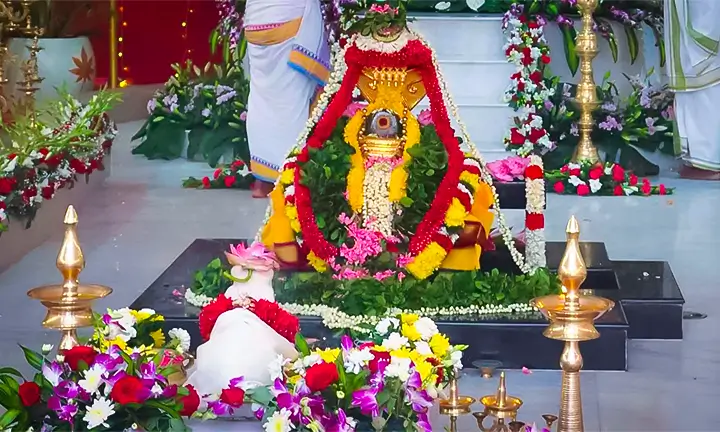
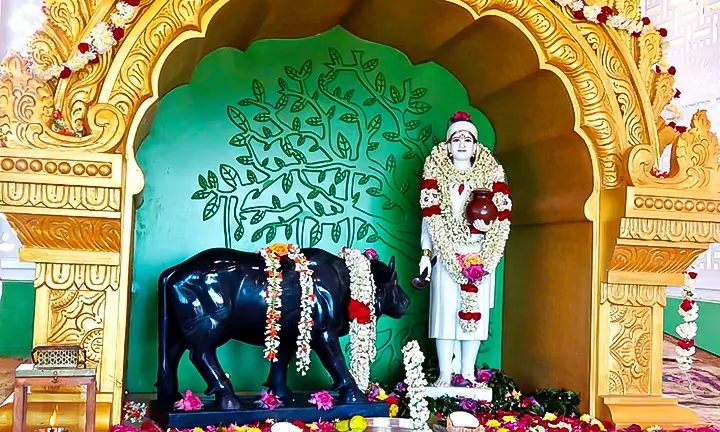
The Swayambhu Lingam at Siddhagiri is a naturally manifested divine presence, discovered through mystical visions and sacred signs. According to local lore, a village elder was repeatedly visited in dreams by an ethereal cow leading him to a mysterious stone. When unearthed, the stone was found to be a self-manifested Lingam, radiating immense spiritual energy. Over time, sages and mystics recognized it as a rare Atma Lingam, a direct representation of Lord Shiva’s omnipresence.
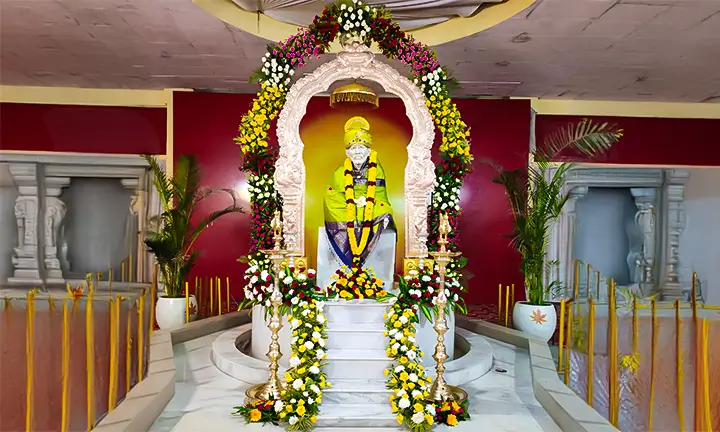
Siddhagiri’s heart beats with the divine presence of Sri Shirdi Sai Baba, whose 7.6-foot Makrana marble idol is one of the largest crafted in his image. His arrival at the Dharmakshetra was foreseen by Maa Sakthi Mayee during a vision in Shirdi, where Baba’s eyes spoke of his destined abode in the Nilgiris. The idol, consecrated under the guidance of Mouna Swami, continues to radiate healing energy and infinite compassion to all seekers.
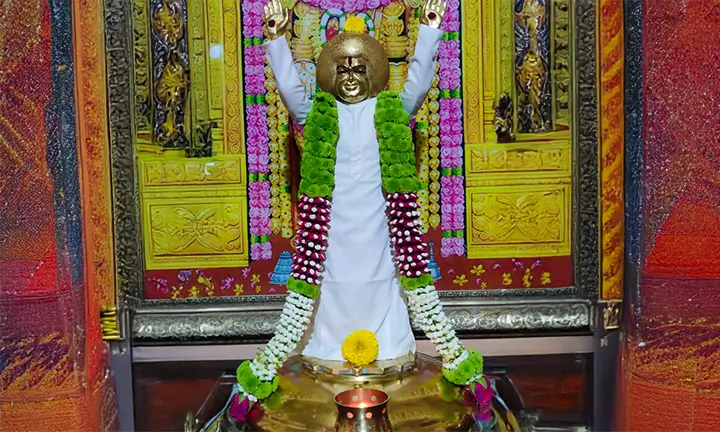
A grand idol of Sri Sathya Sai Baba graces the Siddhagiri temple, serving as a beacon of wisdom, service, and unconditional love. The placement of his sanctum within the Dharmakshetra is a direct representation of his continuous guidance over Maa Sakthi Mayee and the temple’s mission.
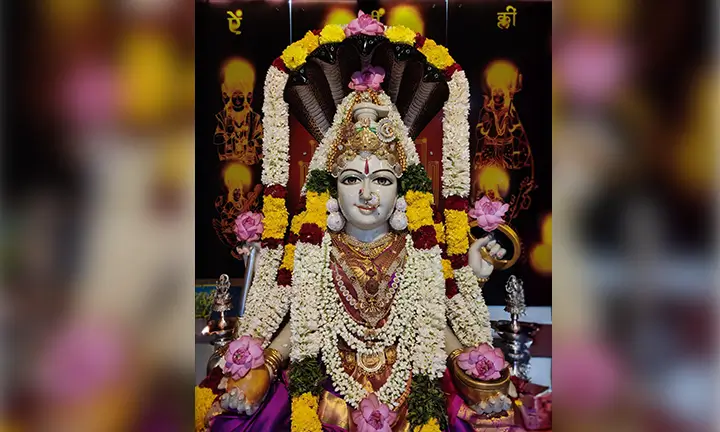
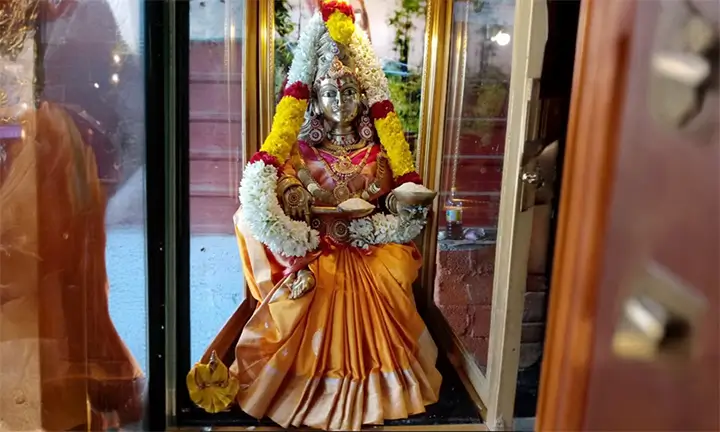
In a sacred revelation, Maa Sakthi Mayee was divinely guided to establish a sanctum dedicated to Adi Mahalakshmi, the universal mother of prosperity and well-being. The idol, crafted under the expertise of Jaipur’s temple artisans, embodies the supreme Chandi Rahasyam, symbolizing both nurturing energy and fierce protection against negativity. The sanctum also houses the Maha Meru, a sacred geometric representation of cosmic energy, amplifying the temple’s spiritual vibrations.
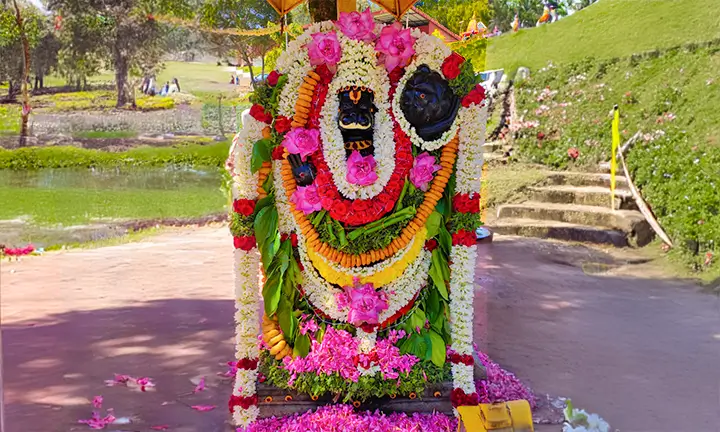
Revered by the indigenous Badaga community, Hethai Amman watches over the temple from her sacred peak. Her legend tells of a celestial force appearing before Maa Sakthi Mayee, declaring Siddhagiri as the land of spiritual renewal. Every year, thousands of devotees undertake pilgrimages to her shrine, offering prayers of gratitude and seeking protection for their families and livelihoods.
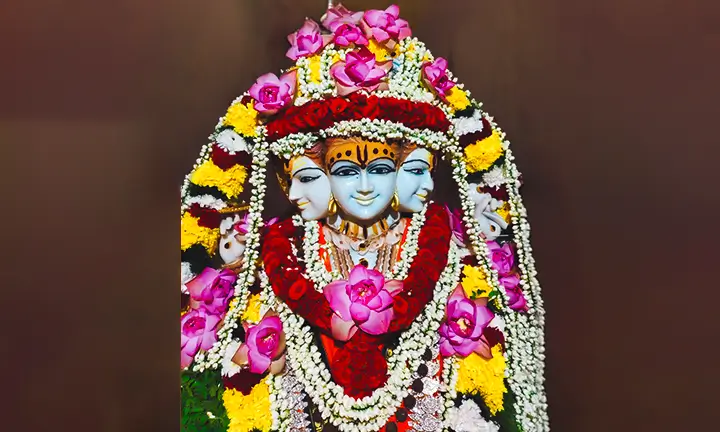
The presence of Dattatreya, the embodiment of the Trinity (Brahma, Vishnu, and Shiva), affirms Siddhagiri as a center for divine wisdom. Historical texts suggest that Sri Pada Vallabha, an incarnation of Dattatreya, once declared his spiritual presence in the Nilgiri hills. This was later reaffirmed by Sri Sathya Sai Baba, who acknowledged Siddhagiri as an ancient seat of divine knowledge.
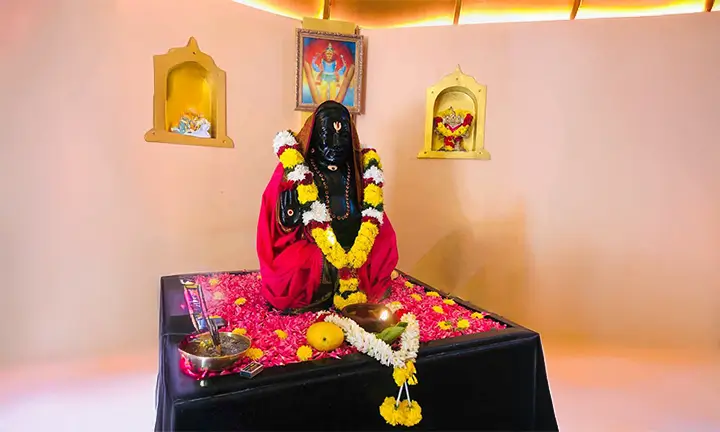
A mystical yogi, deeply devoted to Sri Raghavendra Swami, received divine instructions to gift an idol of the saint to Siddhagiri. Initially placed in Hosur, the idol was later transported to the Dharmakshetra, fulfilling a celestial command. To this day, devotees experience miraculous blessings and transformative visions near his sanctum.
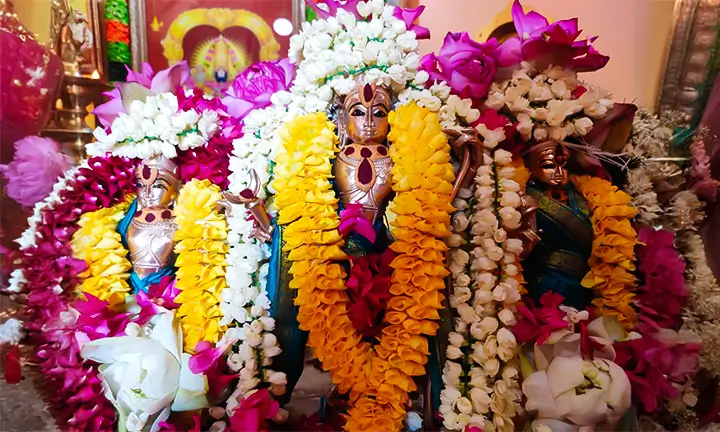
An extraordinary event marked the discovery of the Svayambhu Vishnu stone, when an eagle persistently circled a particular hilltop where serpents lay in meditation. Devotees excavated the area and uncovered a sacred stone bearing the divine Urdhva Pundra, Vishnu’s sacred mark. Today, this sanctum is adorned with idols of Rama, Lakshmana, Sita, and Hanuman, representing the eternal presence of Vishnu’s dharma.
Goddess Annapoorni, residing within the Siddhagiri Annakshetra, ensures no devotee goes hungry. The sanctum’s divine presence blesses the Narayana Seva initiative, feeding thousands daily and symbolizing eternal sustenance and divine grace.
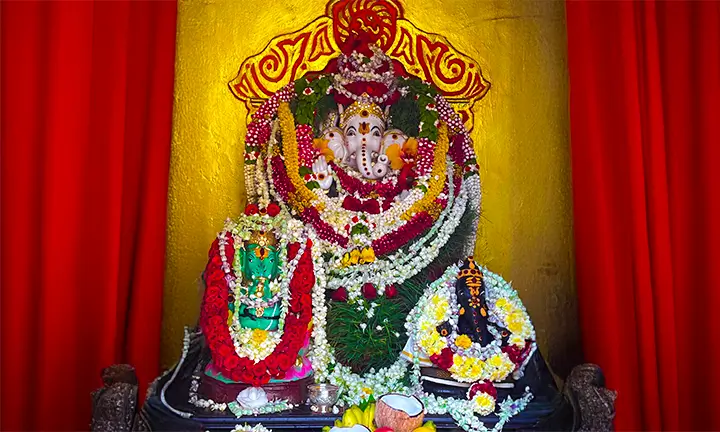
The Ganesh idol, prominently placed as one of the initial sanctums in the temple, holds a place of honor and significance.
Standing at the entrance, Lord Anjaneya embodies selfless service, courage, and unwavering faith. His sanctum inspires devotees to embrace a life of devotion and duty, aligning their actions with righteousness.
At the gateway of the Siddhagiri Sai Healing Center, Lord Dhanvantari, the divine physician, bestows health and vitality. His presence sanctifies the medical services offered, ensuring divine healing flows through every treatment.
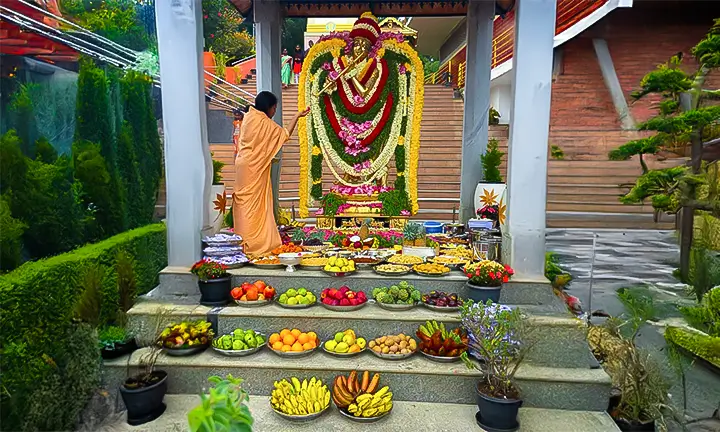
Lord Krishna embodies divine love, wisdom, and righteousness. His sanctum inspires devotees to surrender their hearts in devotion, embracing a life of selfless service and unwavering faith. Through his guidance, they align their actions with dharma, living a life of purity, compassion, and eternal love for the divine.
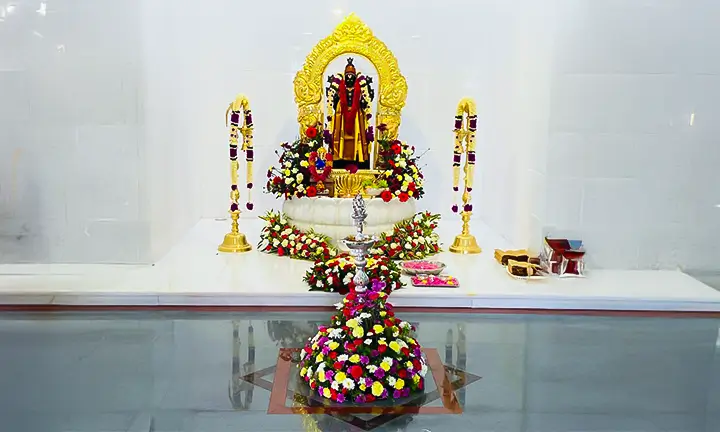
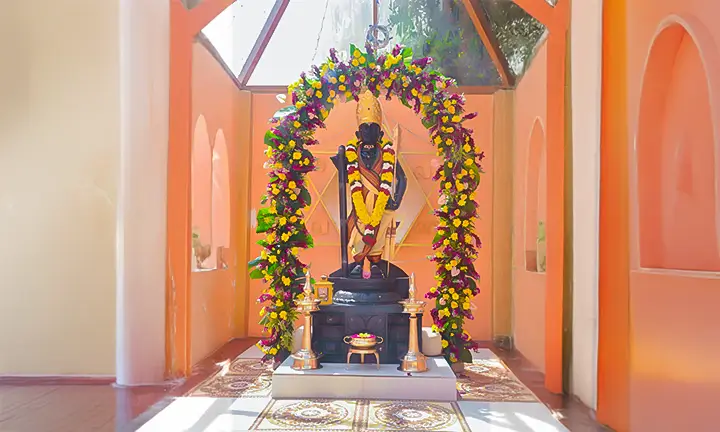
Within the sacred premises stands Lord Skanda’s majestic sanctum, adorned with soils from all six key Murugan sthalas. This embodiment of spiritual wisdom and courage blesses all seekers of knowledge and strength.
Volunteering is the ultimate exercise in democracy. You vote in elections once a year, but when you volunteer, you vote every day about the kind of community you want to live in.